Case study · 2025
Il Mondo Travel
Travel without the friction.
Il Mondo Travel is a premium travel-booking site for members who want curated experiences without the chore of comparing twelve tabs. The design focused on calming the choice overload, exposing pricing honestly, and making the home, booking, and about flows feel like a magazine — not a transaction.
Final design
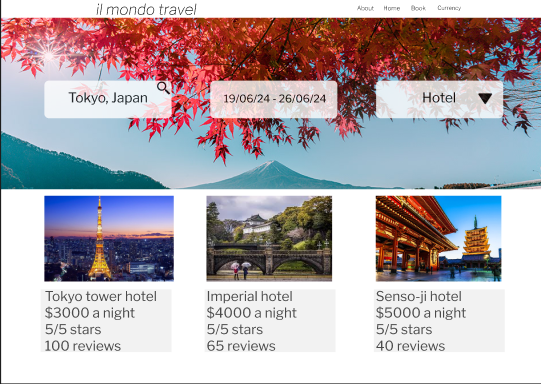
A curated row of three hotels, not a thousand-listing search.
The problem
Travel sites drown people in choice — exactly when they're trying to escape it.
User research showed that travelers rely heavily on digital platforms to plan and book trips, but consistently hit friction, complexity, and choice overload. Participants described existing platforms as cluttered, transactional, and rarely curated — the opposite of how the experience they're trying to buy is supposed to feel.
What people actually wanted was a travel website that feels premium, intuitive, and personalized — one that reduces effort instead of adding to it. That phrase — "reduces effort" — became the brief.
Overwhelming choices, low curation
Endless lists of options with no clear standout. Users want a site that helps them decide, not one that drowns them.
Lack of personalization
Generic recommendations that don't reflect the user's travel style, budget, or past trips — and don't get smarter over time.
Cluttered or outdated interfaces
Sites that feel transactional and visually noisy — the opposite of the calm, premium feel travelers want when planning a trip.
The research
A trillion-dollar market, drowning its own customers.
Online travel is enormous, and almost every platform in it competes by adding more filters, more listings, more tabs to compare. The opportunity isn't more choice — it's the confidence to stop looking.
Figures are illustrative, based on industry estimates on the online travel market and traveler decision-fatigue research (Phocuswright, Skift, market research aggregators, 2025).
The user
Meet John Prine.
John is the traveler the research kept pointing back to: upper-middle, happy to pay for a calmer and more curated trip, but quick to bail at the first sign of clutter.
Goals
- Plan trips quickly, without jumping across multiple sites.
- Find unique, high-quality accommodations and experiences.
- Discover curated recommendations rather than endless generic options.
- Trust that the platform handles logistics reliably.
Frustrations
- Overwhelming lists of options with no clear standout.
- Unclear pricing and surprise fees at checkout.
- Booking transportation separately from accommodations.
- Sites that feel cluttered, outdated, or transactional.
Travel sites drown people in choice — exactly when they're trying to escape it.
The pattern that became the brief
The architecture
Three pages, one job each.
The IA stays deliberately flat: three pages, each doing exactly one job. Home exists to take a search. Booking exists to end it, fast, with a curated shortlist instead of an open-ended list. About carries the brand promise so it never has to compete with the transaction for space.
Home
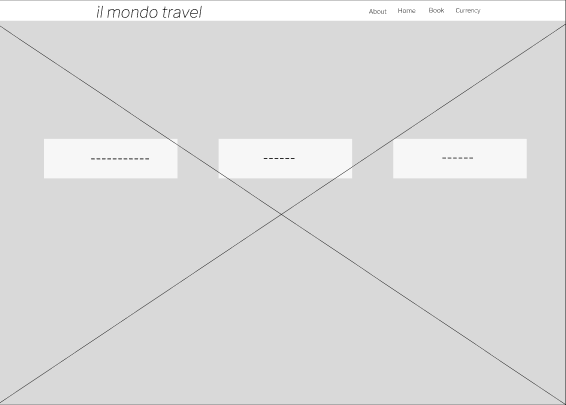
One hero image and a three-field search — Where, When, Hotel. The entry point, kept to a single decision.
Booking
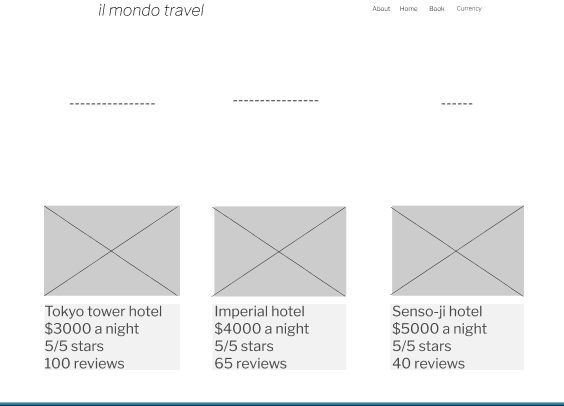
Three curated hotels, not a filterable list. The page that has to convert the search into a decision.
About
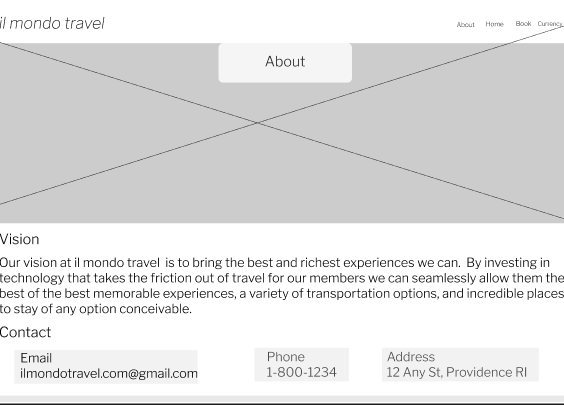
Vision and contact treated as editorial copy, carrying the brand promise without touching the transaction.
The process · 01
Started on paper.
Before any screen, I sketched the three core pages by hand — Home, About, and Booking — to work out layout and hierarchy fast, without getting precious about pixels too early.
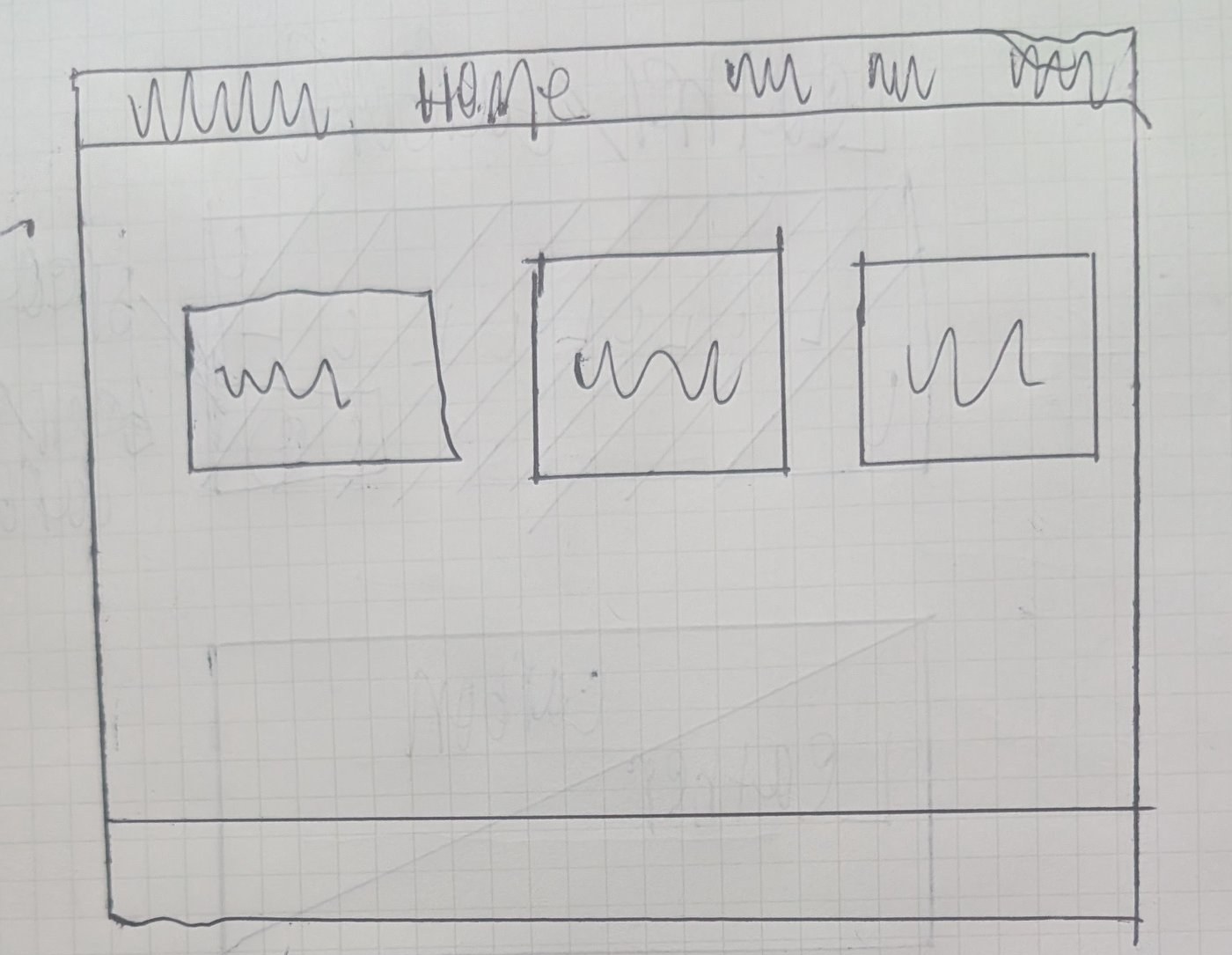
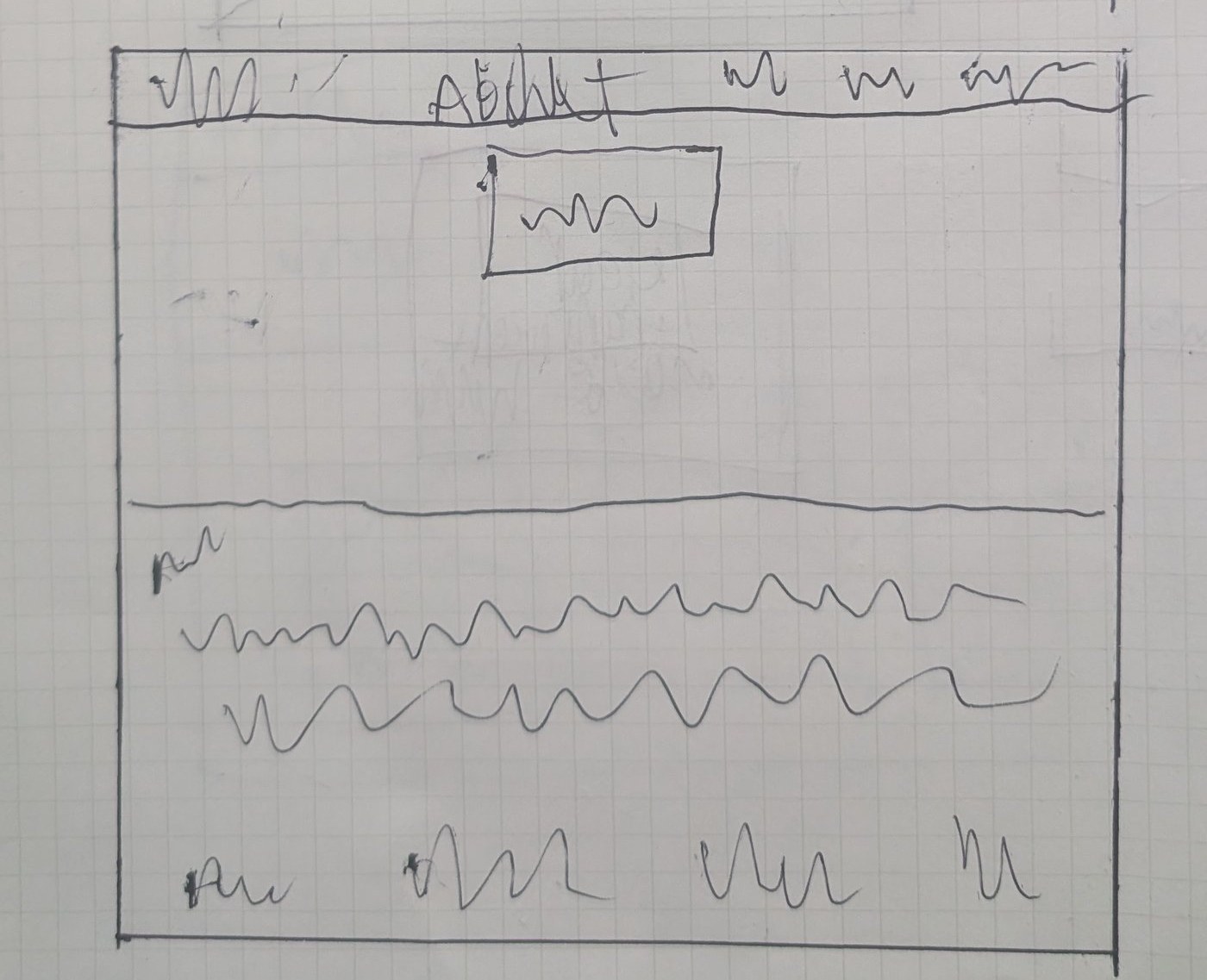
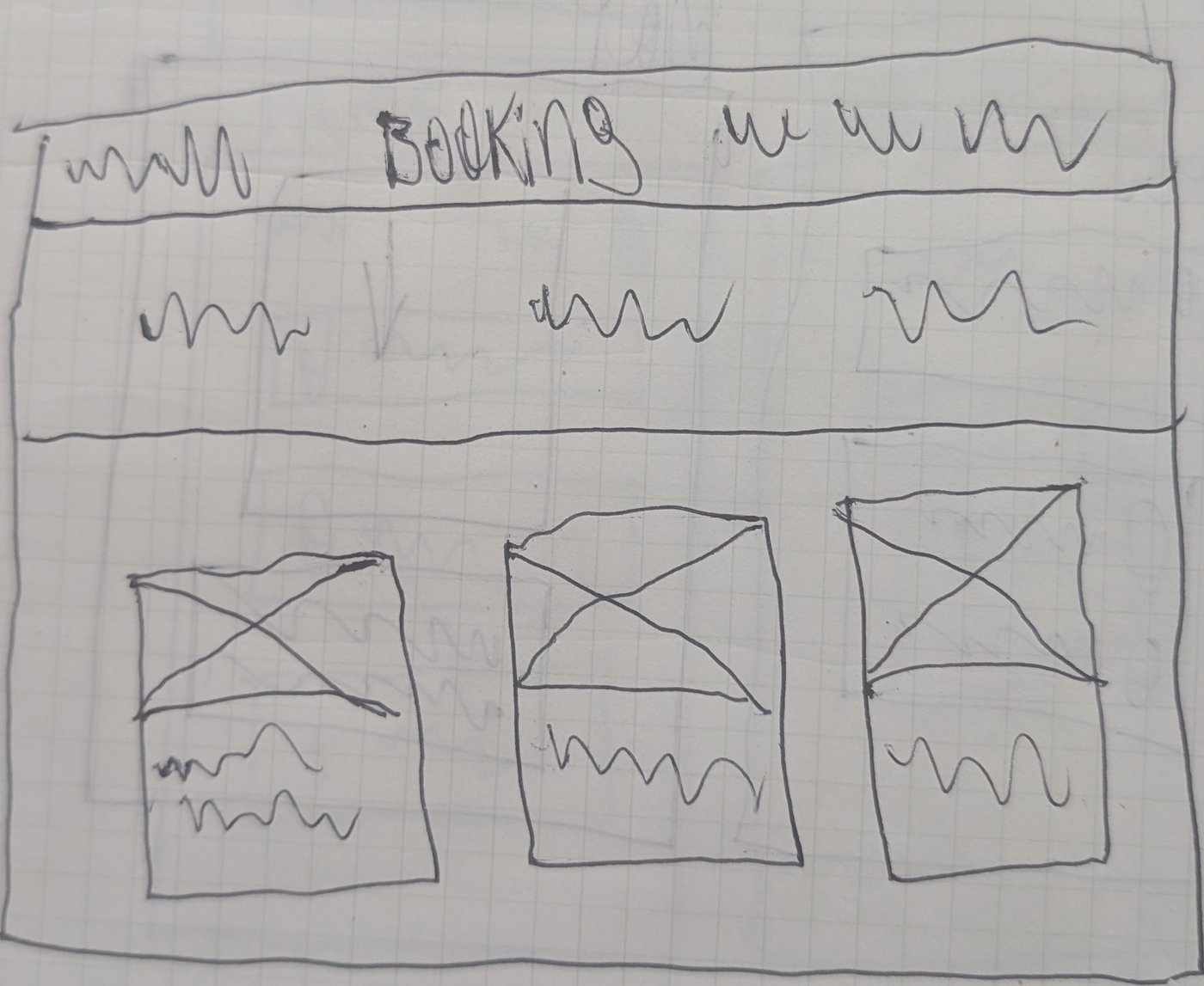
First pass: pen on graph paper, one sheet per page. These fed the annotated digital wireframes below.
The process · 02
Translated to digital.
Once the paper sketches held up, I moved into low-fidelity digital wireframes to lock the structure of the same three pages — Home, About, and Booking — before any visual polish. The intent was to validate the information hierarchy and call attention to where the user's eye should land first on each page.
Home
 1
2
3
1
2
3
- 1Nav — About · Home · Book · Currency, the same on every page.
- 2Search fields — Where, When, Hotel. Three fields, no more.
- 3Hero image — one decisive shot, not a slideshow.
About
 1
2
3
4
1
2
3
4
- 1Nav — same header across all pages.
- 2Hero image — editorial, not decorative.
- 3Vision statement — the brand promise, treated as copy.
- 4Contact block — email, phone, address.
Booking
 1
2
3
1
2
3
- 1Nav — same header across all pages.
- 2Sort / filter labels — kept minimal on purpose.
- 3Hotel card — rate, rating, review count, one photo — repeated for all three.
The system
Built a visual language.
Before pushing into hi-fi, I locked a small visual system: a warm off-white canvas, Michroma for anything that needs to feel editorial, Inter for everything a user has to read fast. Red carries the calls to action; gold marks the numbers and results, so the two never compete for attention on the same line.
Color palette
Typography — Michroma + Inter
Components
Buttons
Numerals
The process · 03
High-fidelity design.
The home page leads with a single hero image and a three-field search — Where, When, Hotel — instead of an information dump. The booking page narrows hundreds of options to a curated row of three properties, each with the bare information that actually drives a decision: nightly rate, rating, review count, and a destination shot. The about page treats the brand promise like editorial content, not a footer.
Home
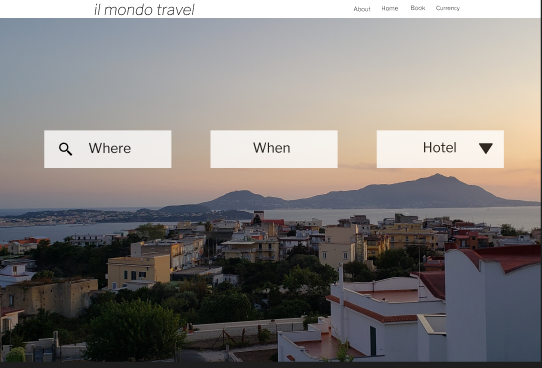
Home — where, when, hotel. Three fields, one decisive image.
Booking
Booking — three curated hotels instead of a thousand. Price, rating, and review count visible up front.
About
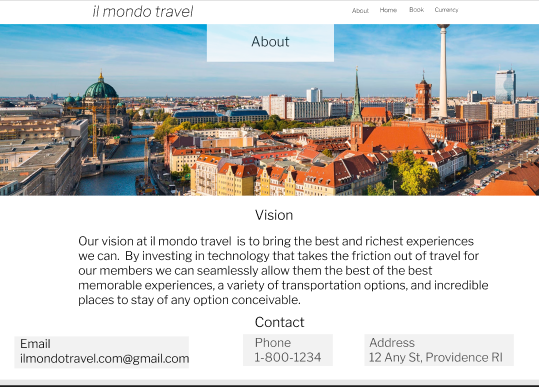
About — vision and contact treated like an editorial spread, not a footer.
The final design
Walk the full prototype.
Every screen — home, about, and booking — linked into one clickable flow, embedded live below.
il mondo travel — prototype
Live prototype embedded above. If it shows a sign-in prompt instead of the app, the Figma file's link sharing needs to be set to "Anyone with the link can view."
The outcome
Fewer choices, more bookings.
The headline result was a 25% lift in task completion in usability testing, measured against a comparable open-list booking pattern. Capping the booking page at three curated hotels, instead of a searchable list, was the single change that moved the number.
Improvement measured in usability testing after moving the booking page to a curated three-hotel shortlist.
Reflection
What I'd do differently.
Curate the shortlist, don't just filter it.
Capping the booking page at three curated hotels — instead of a long list with filters — was the single highest-impact decision. It directly answered the research finding that users felt drowned by choice, and usability testing measured a 25% improvement in task completion over a comparable open-list pattern.
Make personalization real, not just implied.
The personalization layer stayed implicit — the curation is editorial, not algorithmic. To deliver on the "feels personal" promise long-term, I'd add a saved-preferences pattern and a lightweight account model so the curation can learn from past trips and not lean on a one-size-fits-most hand pick.